Charles Babbage’s 1822 Difference Engine: The Foundation of Modern Computing
Learn how Charles Babbage's 1822 Difference Engine laid the groundwork for automated calculation and modern computing.
Read moreSubscribe
Explore by time


Discover the key moments, people, technologies and ideas that shaped the digital world.
Explore timelineLatest post
Discover how Salesforce founder Marc Benioff went from selling Atari games as a teenager to building the software-as-a-service business model.
Read the storyRelated
Timelines
All timelines
Every event, person, and turning point in the archive, laid out in one continuous span — from the first mechanical calculators to today.
Explore timeline
Linux began as one student’s side project and grew into the foundation of the modern Internet. Follow its story from Linus Torvalds’ first announcement in 1991 through GNU, the kernel releases, Red Hat, Debian, Ubuntu and Android to containers, cloud computing and today’s infrastructure — a timeline of the people, ideas and communities that built Linux.
Explore timelineExplore the timeline
View full timelineLearn how Charles Babbage's 1822 Difference Engine laid the groundwork for automated calculation and modern computing.
Read moreDiscover how Alexander Graham Bell's invention of the telephone revolutionized communication and laid the groundwork for modern information networks.
Read moreLearn how NEC was founded in Tokyo on July 17, 1899, by Kunihiko Iwadare and Western Electric, laying the foundation for Japan's electronics industry.
Read moreLearn how the company now known as IBM was founded in 1911 as CTR through a merger of several companies.
Read moreExplore Alan Turing's groundbreaking contributions to computing, cryptography, AI, and biology, and learn how his legacy shapes technology today.
Read moreExplore Claude Shannon’s groundbreaking work in information theory, the invention of the bit, and his impact on digital communication and computing.
Read moreLearn how Kurt Lehovec’s 1959 proposal of p-n junctions advanced electrical isolation in integrated circuits and shaped modern microelectronics.
Read moreLearn about Friedrich Bauer’s work in coining 'software engineering,' developing the Bauer stack for expression parsing, and his cryptography research.
Read moreLearn how David Huffman invented the efficient Huffman coding algorithm in 1952, impacting data compression, digital circuits, and computer vision.

Discover Douglas Engelbart’s 1968 demo showcasing the mouse, hypertext, and multi-window interfaces—technologies that revolutionized computing.
Read moreLearn how Frank Heart's leadership helped build ARPANET, laying the groundwork for the modern internet infrastructure.
Read moreCelebrate Edsger Dijkstra’s birthday—discover his key contributions to algorithms, programming, and computer science.
Read moreDiscover Frederick Brooks's impact on software engineering, OS/360, Brooks's Law, and early virtual reality innovations in this comprehensive article.
Read moreExplore Gio Wiederhold’s work on data integration, semantic interoperability, and AI, which influenced modern information systems and knowledge management.
Read moreLearn how David Farber, known as the 'Grandfather of the Internet,' helped develop early networks and mentored key Internet pioneers.
Read moreDiscover how Fujifilm influenced IT history, from Japan’s first computer in 1956 to magnetic tape storage used today for large-scale data.
Read moreCelebrate Leonard Kleinrock’s birth and his crucial role in developing packet switching, the backbone of modern computer networks.
Read moreDiscover the life and legacy of Niklaus Wirth, creator of Pascal and influential programming pioneer, born on Feb 15, 1934.
Read moreLearn how Leon Chua's 1971 memristor concept laid the groundwork for modern memory, AI, and in-memory computing technologies.
Read moreDiscover Ivan Sutherland’s impact on computer graphics and VR, from Sketchpad to early VR headsets. A pioneer shaping digital innovation.
Read moreLearn about James David Foley’s role in advancing computer graphics, human-computer interaction, and his influence through education and research.

Discover how Charles Thacker's innovations with the Xerox Alto and Ethernet laid the foundation for modern personal and networked computing.
Read moreOn February 14, 1946, ENIAC was publicly unveiled, marking a key moment in the history of computing and the beginning of the computer age.
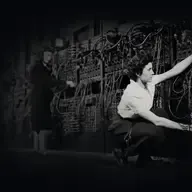
Discover the origins of the first computer keyboard, introduced with ENIAC in 1946, revolutionizing data input in computing history.
Read moreDiscover how Sony was founded on May 7, 1946, in Tokyo, evolving from a small repair shop to a global leader in electronics and entertainment.
Read moreDiscover how Bell Labs unveiled the transistor in 1948, revolutionizing electronics and paving the way for modern microprocessors.
Read moreLearn how William Shockley's 1948 patent for the junction transistor laid the foundation for modern microelectronics and the evolution of electronic devices.
Read moreHonoring Anita Borg’s legacy as a computer scientist and community builder for women in tech. Discover her pioneering work today.
Read moreHow the Whirlwind computer proved that electrostatic memory could work reliably — the same principle behind modern RAM.
Read moreDiscover Geoffrey Jefferson’s 1949 insights on machine intelligence, consciousness, and the enduring debate about whether machines can truly think.
Read moreDiscover how Bill Atkinson's innovations like QuickDraw, MacPaint, and HyperCard transformed personal computing and user interfaces.
Read moreDiscover how David P. Reed revolutionized the internet with UDP, TCP/IP, and the End-to-End principle, enabling fast, flexible online communication.
Read moreDiscover Ralph Merkle’s groundbreaking work in cryptography, from public key invention to Merkle trees, shaping today's digital world.
Read moreLearn how IBM's Model 650, announced on July 14, 1953, became the first mass-produced computer and a major milestone in making computing accessible.
Read moreLearn about Richard Stallman’s role in founding the GNU Project and promoting free software and digital freedoms.
Read moreLearn how Karlheinz Brandenburg developed MP3 technology at Fraunhofer, transforming digital music with efficient audio compression.
Read moreLearn how silicon transistors, introduced in 1954, replaced germanium and transformed microprocessor technology and electronics.
Read moreDiscover how Eric Schmidt’s engineering expertise and leadership helped Google survive the dot-com crash and revolutionize the internet.
Read moreDiscover Steve Jobs' early life, his founding of Apple, and his lasting impact on technology and media in this comprehensive overview.
Read moreDiscover the life and legacy of James Gosling, the creator of Java, and his contributions to software engineering and technology.
Read moreLearn how Tim Berners-Lee, born on June 8, 1955, at CERN, proposed the web that made the Internet accessible to everyone.
Read moreDiscover how Bell Labs' 1955 TRADIC computer pioneered transistor technology, transforming the future of computing and electronics.
Read moreDiscover Tim Bray’s role in developing XML and shaping JSON, essential data formats that have transformed internet data exchange.
Read moreOn July 4, 1956, MIT demonstrated the first use of a keyboard to input data into the Whirlwind computer, marking a key milestone in computing history.
Read moreExplore Douglas Ross’s 1956 Gestalt Programming idea, shaping modern human-centered coding and interactive systems.
Read moreDiscover how IBM's FORTRAN, released on March 5, 1957, revolutionized programming by enabling scientists to write code closer to mathematics.
Read moreDiscover how LISP, introduced on March 1, 1960, revolutionized AI and programming with symbolic processing and recursion, shaping modern computing.
Read moreOn July 12, 1962, IBM engineer Arthur Samuel's checkers program defeated a strong human player, marking a milestone in AI and machine learning.
Read moreDiscover how Salesforce founder Marc Benioff went from selling Atari games as a teenager to building the software-as-a-service business model.

Discover how NASA's 1965 Gemini 3 mission used the first digital computer in space, paving the way for modern space exploration.
Read moreLearn how the PDP-8, released on March 22, 1965, made computers smaller, cheaper, and more accessible, transforming the industry.
Read moreLearn about Yukihiro Matsumoto, the creator of Ruby, his background, and his role in shaping modern programming language development.
Read moreLearn about David Filo, co-founder of Yahoo, born on April 20, 1966, and his role in early internet search and web development.
Read moreDiscover how Texas Instruments' 1967 prototype of the first handheld calculator revolutionized portable computing technology.
Read moreLearn how Robert Noyce and Gordon Moore founded Intel on July 18, 1968, transforming the semiconductor industry with their innovative company.
Read moreDiscover how Marc Ewing's creation of Red Hat revolutionized Linux and open source for enterprise use.
Read moreDiscover how RFC 1 revolutionized the Internet by fostering open discussion and collaboration among developers and researchers.
Read moreDiscover how UCLA's 1969 press release announced the first public computer network, laying the groundwork for today's Internet.
Read moreLearn how RFC 54 in 1970 introduced an open review process that influenced the development of early Internet protocols like NCP and TCP/IP.
Read moreDiscover how RFC 36–39 from 1970 reflected early discussions that helped shape the development of the Internet.
Read moreDiscover how FTP, launched in 1971, transformed data sharing and laid the foundation for modern internet protocols.
Read moreDiscover how Atari was founded by Bushnell and Dabney, revolutionizing gaming with Pong and the Atari 2600. A key chapter in video game history.
Read moreDiscover how the HP-35 revolutionized portable computing and replaced slide rules in 1972, shaping modern calculators and digital tech.
Read moreDiscover how Lexis revolutionized legal research as the first search engine launched in 1973, transforming legal information access.
Read moreLearn how ICCP became the first independent organization to certify programmers, setting industry standards in the mid-20th century.
Discover how Altair BASIC 2.0, released on July 1, 1975, was Microsoft's first commercial software and a milestone in microcomputer history.
Read moreDiscover how Microsoft was founded on April 3, 1975, by Bill Gates and Paul Allen, marking the start of a software revolution that changed tech history.
Read moreLearn about Apple's first presentation at the Homebrew Computer Club on April 11, 1976, where Steve Jobs and Wozniak showcased the Apple I.
Read moreDiscover how SCCS, launched on Feb 18, 1977, revolutionized source code management and laid the foundation for modern version control systems.
Read moreOn July 19, 1977, engineers at Rockwell Collins received and decoded the first GPS signal from the experimental NTS-2 satellite, a key milestone in the development of the NAVSTAR GPS program.
Read moreDiscover how the Apple II, launched on June 5, 1977, transformed personal computing and laid the foundation for Apple's future success.
Read moreDiscover how Texas Instruments' Speak & Spell, launched on June 11, 1978, introduced digital speech synthesis and impacted educational electronics.
Read moreDiscover how the 1978 publication of 'The C Programming Language' by Kernighan and Ritchie provided a clear description of C and influenced programming history.
Read moreDiscover how the first robot-related death in 1979 led to safety reforms that protect workers today.
Read moreIn 1980, Atari registered copyrights for *Asteroids* and *Lunar Lander*, helping establish legal protections for video games as creative works.
Read moreDiscover how Donkey Kong's 1981 release in Japan marked a milestone for Nintendo and introduced Mario to the world.
Read moreDiscover how a computer synchronization error in 1981 caused the first automatic delay of a Space Shuttle launch, highlighting safety in space missions.
Read moreLearn how early product announcements caused the Osborne Effect, leading to Osborne Computer's collapse in 1983 and shaping tech marketing strategies.
Read moreDiscover how the Apple Lisa revolutionized user interfaces despite its high cost and limited success, paving the way for today’s computers.
Read moreDiscover how Microsoft’s 1983 release of the two-button mouse transformed computer interfaces and set the standard for future peripherals.
Read moreDiscover the history of the Motorola DynaTAC 8000X, the first commercial mobile phone launched in 1983, revolutionizing personal communication.
Read moreDiscover how Alexey Pajitnov created Tetris in 1984 and how it became one of the most influential video games worldwide.
Read moreDiscover how Apple’s 1984 Super Bowl ad revolutionized tech marketing and turned the Macintosh into a symbol of innovation and rebellion.
Read moreLearn how John Resig created jQuery, making JavaScript easier and influencing web development.
Read moreLearn how Mark Zuckerberg’s 1984 birth led to the creation of Facebook, transforming online social connections from a simple project to a global platform.
Read moreDiscover how Dell was founded in 1984 and transformed the PC industry with direct sales and build-to-order models.
Read moreLearn how Connecticut launched ConnNet in 1985, one of the earliest public computer networks providing online access to information for residents and businesses.
Read moreLearn how symbolics.com became the first .com domain in 1985 and marked the beginning of the modern commercial internet.
Read moreDiscover Richard Hamming’s insights on tackling important problems, cultivating courage, and achieving great research breakthroughs.
Read moreDiscover how the SCALA system monitored Chernobyl, its role in the disaster, and vital lessons for nuclear safety and control systems.
Read moreReleased on July 13, 1987, Metal Gear revolutionized action games by introducing stealth gameplay and complex storytelling, shaping future game design.
Read moreExplore how the 1989 NES release of Teenage Mutant Ninja Turtles influenced licensed games and gaming culture.
Read moreLearn how Tim Berners-Lee's 1989 proposal at CERN led to the creation of the Web, transforming global information sharing.
Read moreDiscover how Adobe Photoshop's first release on Feb 19, 1990, revolutionized digital image editing and shaped visual culture.
Read moreDiscover how Borland Pascal's 1991 Windows version transformed programming with GUI features and influenced future development tools.
Read moreDiscover how Python's first public release in 1991 introduced features like readability and inheritance, shaping modern programming.
Read moreExplore how the 1991 AT&T lawsuit against BSD influenced the development of Linux and open source operating systems.
Read moreOn March 6, 1992, the Michelangelo virus activated, raising global awareness of malware and shaping modern cybersecurity practices. Learn its story here.
Read moreDiscover how Wolfenstein 3D, released on May 5, 1992, revolutionized FPS gaming with its innovative pseudo-3D engine and lasting legacy.
Read moreExplore the history of Windows Media Player, launched in 1992, and its role in shaping multimedia on Windows PCs.
Read moreLearn how Mosaic, launched in 1993, introduced graphics and user-friendly features, transforming web browsing for users worldwide.
Read moreExplore the 1993 rivalry between NEC and Cray, highlighting a pivotal moment in supercomputing and international technological competition.
Read moreLearn about the 1993 U.S. government’s Clipper Chip project, its cryptography principles, opposition, and impact on security debates.
Read moreDiscover how NVIDIA was founded in 1993 and evolved into a leader in graphics, AI, and blockchain technologies.
Read moreDiscover how Adobe launched PDF in 1993 to create a universal document format that looks the same on any device or printer.
Read moreJeff Bezos founded Amazon in 1994 as an online bookstore, initially named Cadabra, before launching the site in July 1995.
Read moreDiscover how the first encrypted online credit card payment was made in 1994, marking a key moment in e-commerce security.
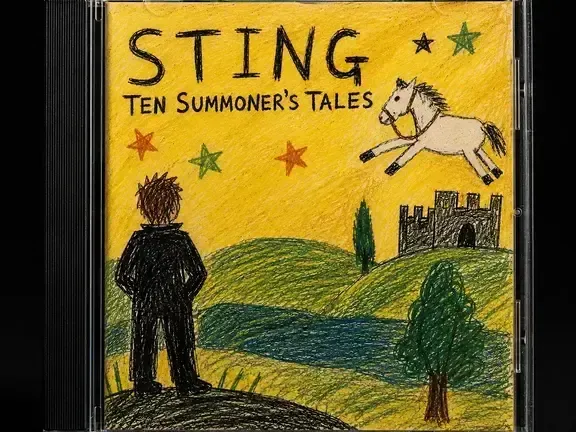
Discover how the .ai domain, originally assigned to Anguilla, became a symbol of artificial intelligence and a significant revenue source.
Read moreAmazon.com launched on July 16, 1995, as an online bookstore with about one million titles, marking its start before expanding into a tech giant.
Read moreExplore how Racket, introduced in 1995, evolved from Scheme into a powerful platform for language creation, macros, and metaprogramming innovation.
Read moreDiscover how WikiWikiWeb, launched in 1995, revolutionized online collaboration and laid the foundation for modern wikis and knowledge sharing.
Read moreDiscover how Yahoo.com was registered on Jan 18, 1995, and its role in shaping web email and directories.
Read moreCelebrating Java's 1996 launch, exploring how Java's 'Write Once, Run Anywhere' revolution transformed technology and daily life.
Read moreLearn about Deep Blue's victory over Kasparov on February 10, 1996, marking a key moment in chess and AI history.
Read moreLearn how PostgreSQL was launched on July 8, 1996, evolving from UC Berkeley’s POSTGRES project to become a leading open-source database.
Read moreIn 1996, Kasparov faced Deep Blue in a historic chess match, marking a key moment in AI and human-machine competition.
Read moreLearn how Quake's 1996 release transformed 3D graphics and multiplayer gaming, shaping modern game development and communities.
Read moreLearn about Jython’s first release on January 17, 1997, enabling Python to run on the Java Virtual Machine and interact with Java classes.
Read moreDiscover how Visual Studio 97, released on March 19, 1997, unified Microsoft’s developer tools and shaped modern software development.
Read moreDiscover how a 1998 meeting in Palo Alto launched the open source revolution, transforming technology and collaboration worldwide.
Read moreDiscover how the Feb 7, 1998, 'True Dial-Up Release' revolutionized software updates by mimicking old-school modem handshakes for stability and control.
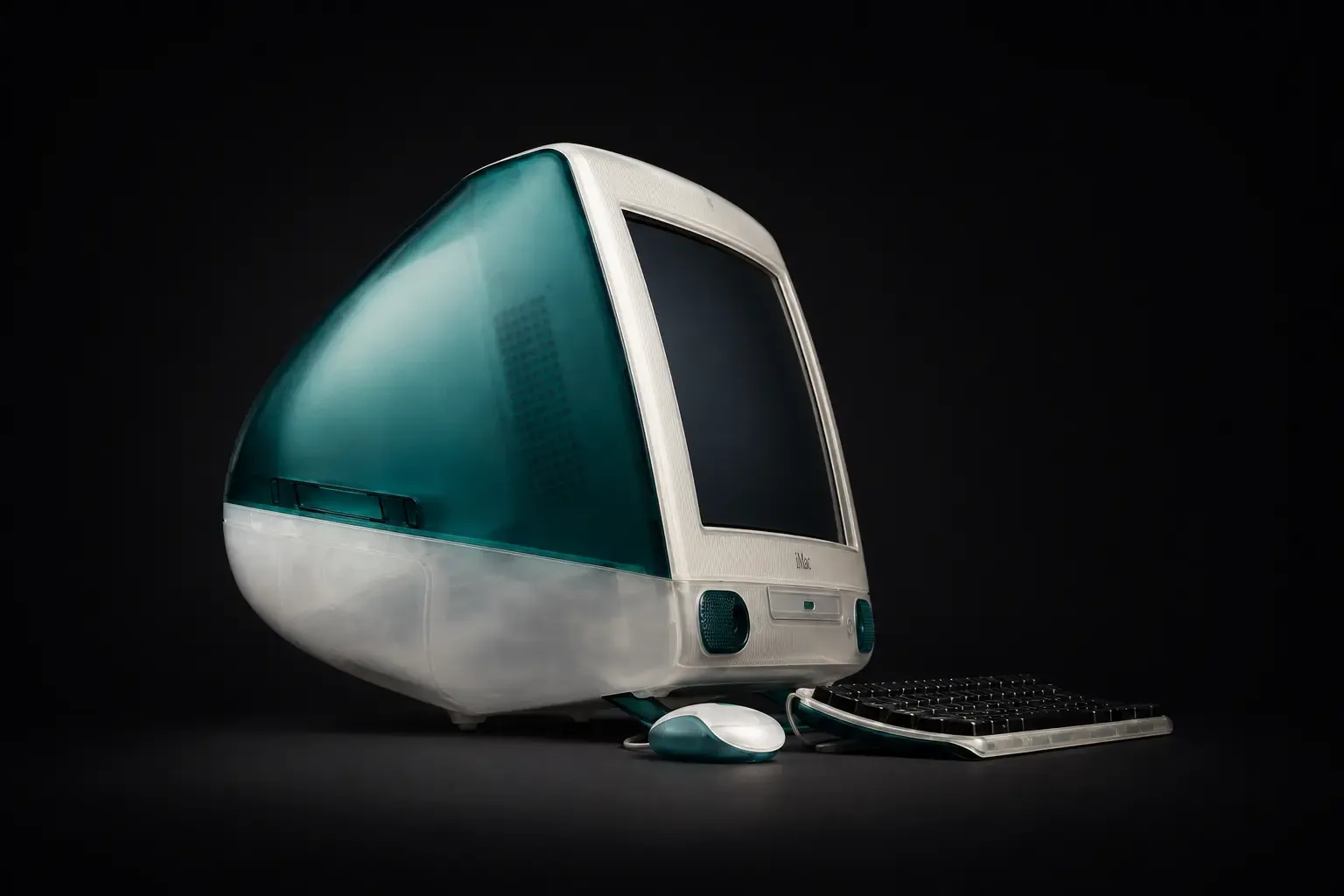
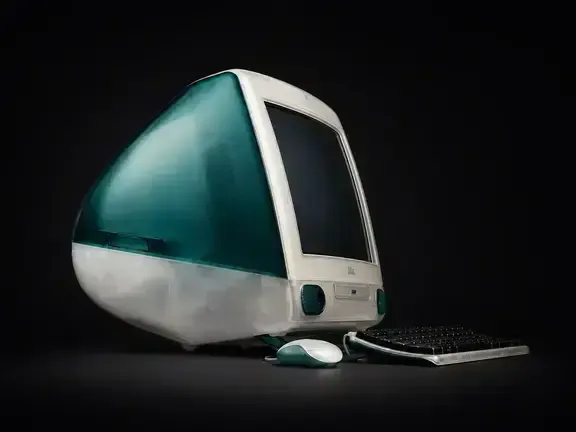
Read moreDiscover how the 1998 iMac revolutionized personal computers with innovative design and internet features, marking Steve Jobs’ triumphant return to Apple.
Read moreThe first Apple iMac reached buyers: a translucent Bondi Blue all-in-one that dropped the floppy drive and bet everything on USB.
Released on June 19, 1999, Counter-Strike started as a Half-Life mod created by Minh Le and Jess Cliffe, revolutionizing multiplayer gaming.
Read moreDiscover how Google’s $25 million investment in 1999 transformed it from a research project into a search industry leader.
Read moreLearn how the 1999 Melissa virus spread via email, causing billions in damages and prompting major cybersecurity reforms worldwide.
Read moreOn July 11, 2000, Microsoft announced the .NET platform, C#, Visual Studio .NET, and the CLR at PDC, shaping future software development.
Read moreOn September 6, 2000, RSA Security stopped enforcing its RSA patent against third-party implementations, two weeks before the patent was due to expire.

Explore the impact of the PS2's release on March 4, 2000, from its innovative features to its legacy in gaming and home entertainment.
Read moreDiscover how XHTML's 2000 release aimed to bring structure and predictability to web coding, influencing HTML5 and modern web standards.
Read moreExplore the peak of the dot-com bubble on March 10, 2000, and learn how internet hype led to a historic market crash and lasting tech industry impacts.
Read moreDiscover how the ILOVEYOU virus of 2000 spread rapidly, causing billions in damages and transforming email security practices worldwide.
Read moreIn 2001, Bram Cohen announced the BitTorrent protocol, enabling decentralized file sharing through swarms and transforming large file distribution on the Internet.
Read moreIn 2001, the Anna Kournikova worm exploited curiosity and trust to spread rapidly, highlighting social engineering in cybersecurity.
Read moreDiscover how the 2003 launch of iTunes Music Store revolutionized digital music sales, making music more accessible and changing the industry landscape.
Read moreOn July 15, 2003, AOL closed Netscape's team and established the Mozilla Foundation, shaping the future of open web standards and browser development.
Read moreDiscover RFC 3514 and the Evil Bit—its purpose, satire, and influence on early internet security concepts.
Read moreDiscover how SQL Slammer infected 75,000 servers in 11 minutes, causing worldwide disruptions and highlighting cybersecurity vulnerabilities.
Read moreDiscover how Phatbot revolutionized malware with modular, extensible design—shaping modern botnets and cybercrime tactics.
Read moreDiscover the story behind YouTube's first video, uploaded on April 23, 2005, and how it launched a video-sharing revolution.
Read moreDiscover how the first tweet on March 21, 2006, sparked a social media revolution and transformed online communication forever.
Read moreOn August 10, 2007, a U.S. federal court ruled that the copyrights to UNIX belonged to Novell rather than The SCO Group — the turning point in the SCO–Linux disputes.
Read moreLearn how the 2008 Creative Commons Summit advanced machine-readable licenses, shaping open content and fueling AI datasets.
Read moreLearn how the 2008 launch of Apple's App Store introduced a new mobile app economy, offering a unified platform for discovery, purchase, and security.
Read moreIn 2008, Mocmex was a Trojan preinstalled on digital photo frames, highlighting early hardware supply chain security risks and malware threats.
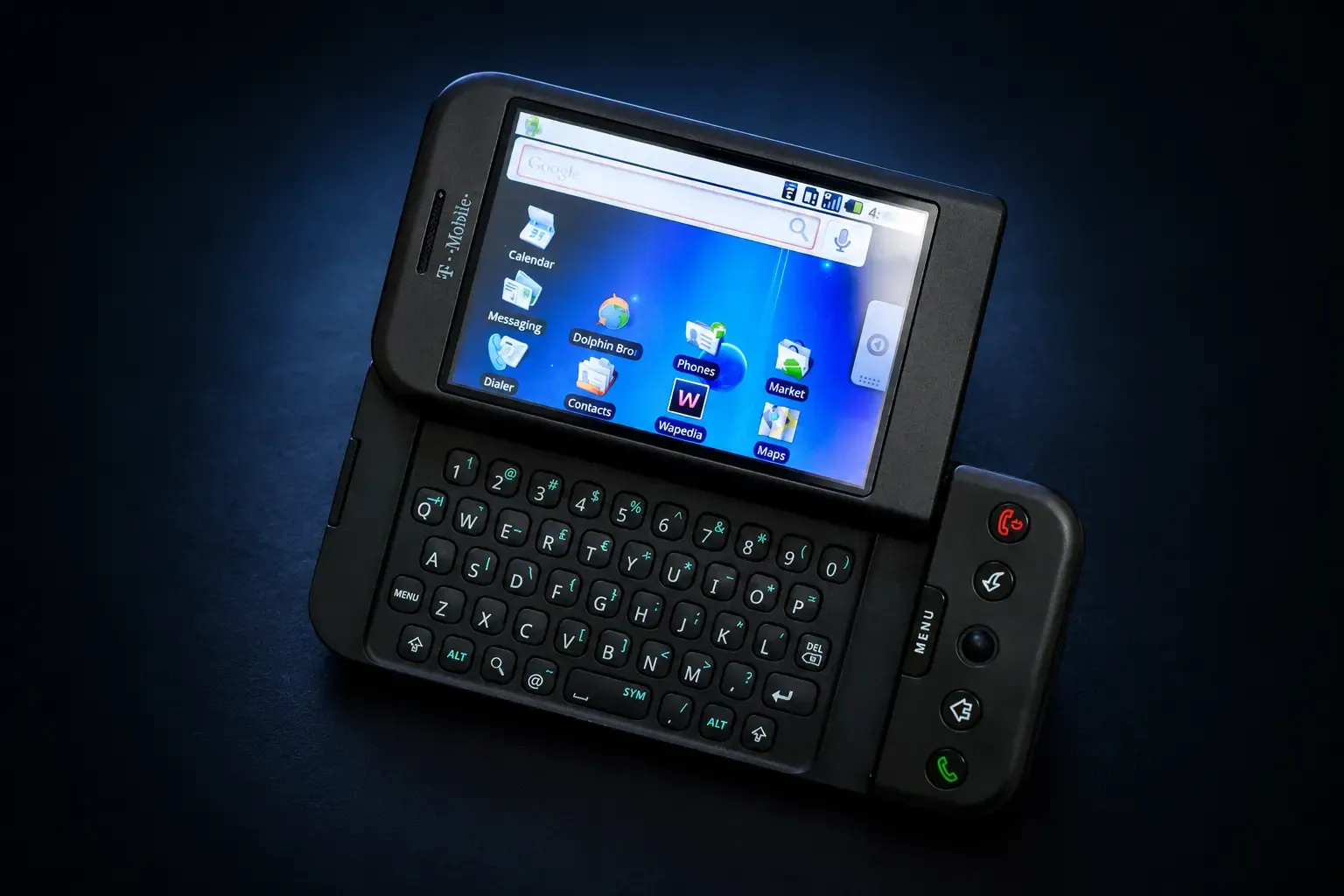
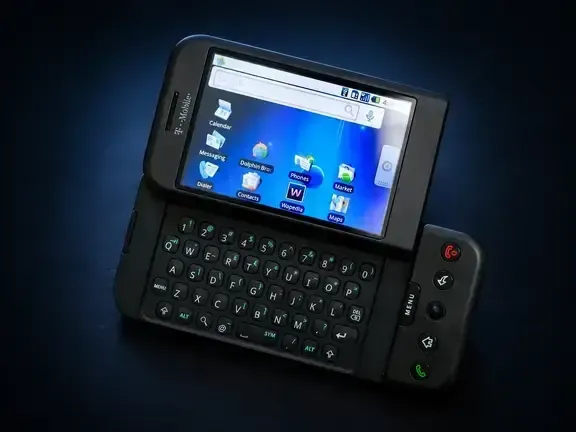
Read moreDiscover how Google, T-Mobile and HTC unveiled the T-Mobile G1 in 2008, turning Android from a software promise into the first phone you could actually buy.
Discover how Facebook's "Like" button, launched in 2009, changed online communication and social validation forever.
Read moreIn 2009, Michael Jackson's death caused a massive internet traffic surge, exposing infrastructure limits and prompting industry improvements.
Read moreLearn how Minecraft's 2009 release introduced a sandbox world with procedural generation, shaping modern gaming and community-driven development.
Read moreOracle sued Google over Java API copyright and patent claims in Android; the case lasted 11 years and concluded with a Supreme Court ruling on fair use.
Read moreDiscover how Steve Jobs introduced the first iPad in 2010, revolutionizing tablets and redefining personal computing.
Read moreDiscover how Zoom was founded on April 21, 2011, transforming video conferencing and reshaping global communication during the COVID-19 pandemic.
Read moreExplore Facebook’s 2012 IPO story—initial struggles, recovery, and its evolution into Meta’s tech powerhouse.
Read moreExplore how Facebook's $1B Instagram deal revolutionized startup valuations, platform strategies, and the attention economy in tech.
Read moreOn this day in 2013, Pavel and Nikolai Durov launched Telegram, emphasizing privacy, security, and independence as it began its global growth.

Discover how ARIN, the internet registry for North America, exhausted its free pool of IPv4 addresses in 2015 and pushed the region toward IPv6.
Explore how Discord's 2015 launch revolutionized online communities, shifting from gaming chats to a versatile platform for all groups.
Read moreDiscover how Microsoft’s 2015 release of Visual Studio Code revolutionized coding with open-source IDEs and widespread developer adoption.
Read moreDiscover how AlphaGo's 2016 victory over Lee Sedol marked a milestone in artificial intelligence and strategic gaming.
Read moreDiscover how Pokémon Go's 2016 release influenced social interaction, mapping, privacy, and augmented reality technology worldwide.
Read moreTrace FTX's explosive growth and sudden fall from 2019 to 2022, revealing fraud, legal charges, and lessons from one of crypto's biggest scandals.
Read more